
No Place Like Home
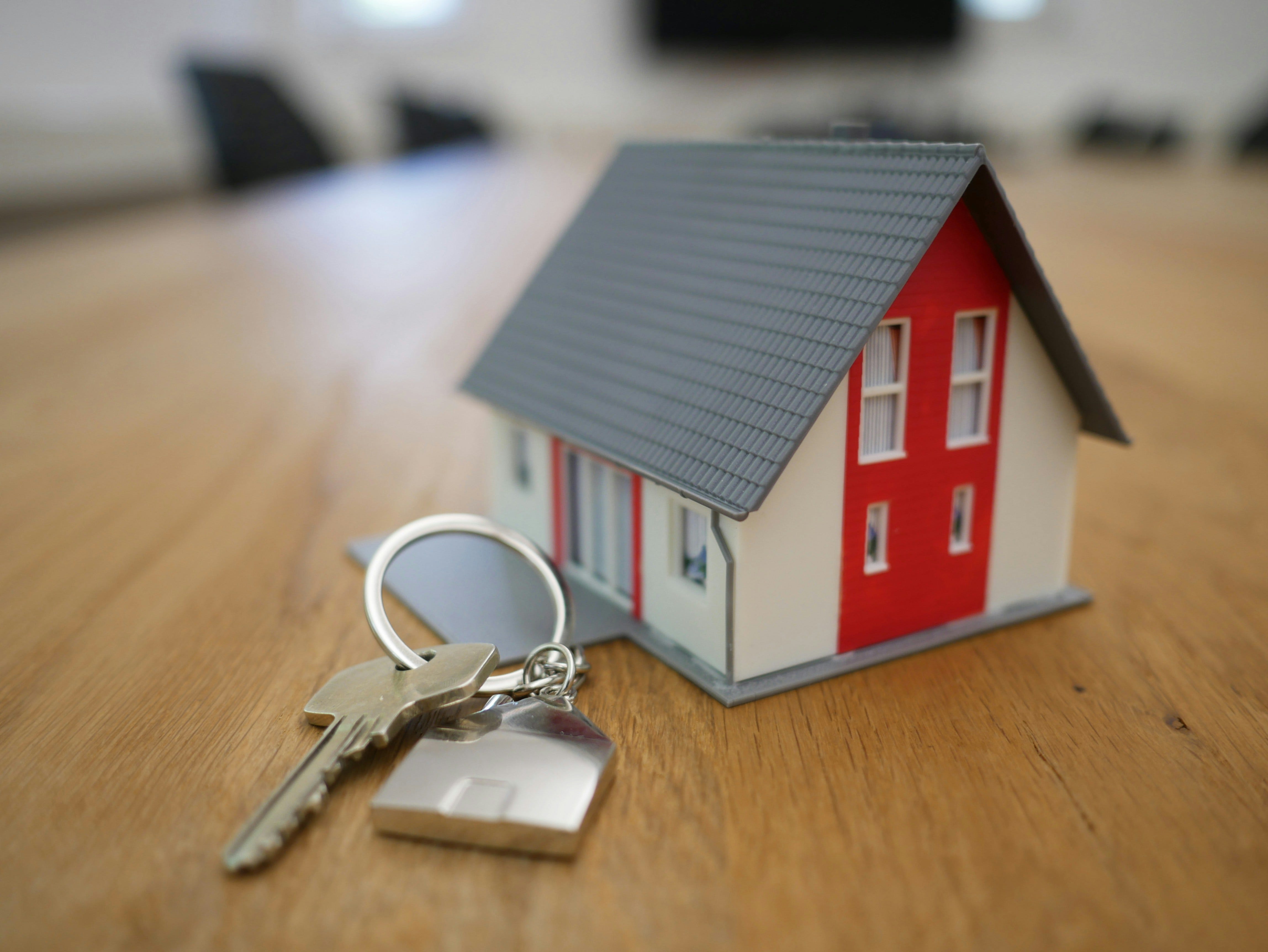
A house can be sold. A home stays with you.

El Fin.
This week, my parents signed the papers to sell my childhood home. After 45 years operating our family farm, they retired. Knowing this transition was coming, I made three trips back to Minnesota with my kids this year. In segments, I said a protracted goodbye to people and a place that shaped me. (Minnesotans are notorious for loooong goodbyes, so this felt very on brand.) I woke up in my childhood bedroom one crisp morning this October for the very last time. There was an ache in my heart, and a deep well of gratitude too. My family was there, together.
One of the first nights on my final trip, I looked around the dinner table and thought about the life-and-death near misses each of us has lived through. My mom narrowly survived a scare where she almost died of carbon monoxide poisoning in the barn when I was in elementary school. My dad suffered a heart attack in the field in 2021. Thankfully, a friend was on site to do CPR for 45 minutes while they waited for an ambulance. My husband made it out of Afganistan. Barely. And then there was the story of the kids and me. There were many moments when things could have ended very differently for our family. Being there together felt like a gift. If I could choose how to close a chapter, it would be this. Hard and good. Full. Complete. It was time. But I was still sad. In grief, sorrow is often commensurate with depth of love that once was.
When people ask where I am from, I usually laugh and say, “I don’t know.” I often share that I was born and raised in Minnesota and go on to explain that I have spent my adult life collecting addresses across the globe thanks to my husband’s military career. Boulder, Colorado. Cambridge, United Kingdom. Washington, DC. Princeton, New Jersey. Napa, California. Ramstein, Germany. Montgomery, Alabama. Not counting the weeks and months lived out of suitcases in temporary living quarters on military bases, I can name fourteen addresses since I moved out of my parents’ house at eighteen. It’s a lot of zip codes to keep track of when you’re trying to pump your fuel.
Still, 56243 was always the place I came back to. My parent’s farm was the fixed point. My fulcrum. A permanent landing spot. Until now.
The military has taught me many things. One of the most important is this: a house is not a home. Home is something you build with people. I have said goodbye to many houses over the years. Tearful final walkthroughs. Rooms filled with boxes holding entire chapters of life. But this one is different.
I know my parent’s house inside and out. And, it knows me. Those walls witnessed a lot. If they could talk, there would tell stories upon stories. I’ve brain mapped every creak in the floors. I still smile when I see the patched hole in the bathroom wall—the one I kicked in during a fit of anger when I was nine. Philip and I decided to get married while lying on a blanket in the basement. It’s where I woke up on Christmas morning. The kitchen were my mom decorated my birthday cakes. This house is where we were a family.
I don’t have any desire to live in Minnesota again. It’s too bloody cold. My parent’s house was not fancy. I would not choose the property if I saw it listed online. Still, I hate that it’s gone. What I will miss is not the house itself. What I long for is the feeling of home. Knowing and being known.
The house my parents just sold was the third dwelling place I ever lived in. I was brought home from the hospital to an old blue farmhouse. I only have trace memories of it, but the ones I have are happy. Then in 1989, something happened that rocked my world. A baby boy entered the scene. The cold was extra bitter that December. My parents knew it was time for something different when Joshua had to sleep in an upstairs hallway because the bedrooms were too drafty for an infant.
Money was tight then. There was no budget for something extravagant. In the early nineties, my parents scraped together enough to buy a new double-wide. I remember house shopping vividly. To me, the manufactured homes we toured were like mansions. I mistakenly thought they’d come furnished, so I’d lobby my parents to purchase the models where I saw phones in the staged bedrooms. We looked for a long time for the “right” one. After they finally picked out a place that they felt fit the bill, we moved into a trailer on my grandparents’ farm for a few months. During that time, my dad tore down the old house. Then, one swampy spring day in 1991, the new house came down the driveway. It was delivered by truck in two halves. I excitedly watched as they rolled it onto the new basement. I didn’t fully appreciate it then, but that structure would serve as my new foundation. It was the platform from which I’d launch into a wild, big, beautiful life—the kind of existence I’d only dreamed of as a small town girl who fell asleep in a bedroom with blue carpet and tiny roses on the wall.
In that house, I grew up. I learned who I was. It held our joy and our pain. It’s where everything started. It’s where we loved. Knowing that there is no “going back” is heartbreaking. I am grateful I got to bring my babies there. I pray the memories we created together in that spot during their early years are something they carry with them forever.
We like to tell ourselves that buying and selling a house is a rational decision. A financial one. Square footage. Interest rates. Timing. But that story leaves out most of what actually drives these choices. Homes are repositories for memory. They anchor identity. They become symbols of safety, stability, and continuity, especially in a world that rarely offers much of either.
As humans, we don’t like giving things up. And as soon as we own something, work and pour into it, it’s value weighs heavier. Letting go of a family home rarely feels like a neutral exchange, even when the numbers “make sense” or a situation necessitates a new arrangement. We do not just sell property. We grieve what it represented. The routines. The rituals. The version of ourselves who once lived there.
That is why selling a childhood home can feel disorienting. It removes a psychological backstop. A place we believed we could always return to, even if we never planned to. The house becomes a stand-in for permanence. When it goes, we are reminded that nothing actually stays fixed. We like to think of real estate as a business decision. But when it comes to a family home, it is never just financial. It is emotional. Psychological. It is about identity, attachment, and belonging.
A house can be bought and sold. A home is something else entirely. It stays with you. It is built over time, through shared meals and ordinary days and moments we do not recognize as sacred until they are gone.
If you enjoyed this post, spread the Joy and share it with someone else.
If you’re interested in more strategies for strengthening self-awareness and raising your EQ, don’t miss Finding Joy:
For more of my musings on love, life, and work, you can follow me on Linked In.
It was particularly evocative reading your post Joy as I’ve just come off the phone from a friend of mine who is back at her family farm where she was born 60 years ago…her sister lives and farms there now. My friend is just ‘farm’ sitting whilst her sister is away…it’s tough in Yorkshire right now with temperatures below zero but she’s wrapped up and standing by her Aga reliving memories from a long ago life…home is definitely where the heart is